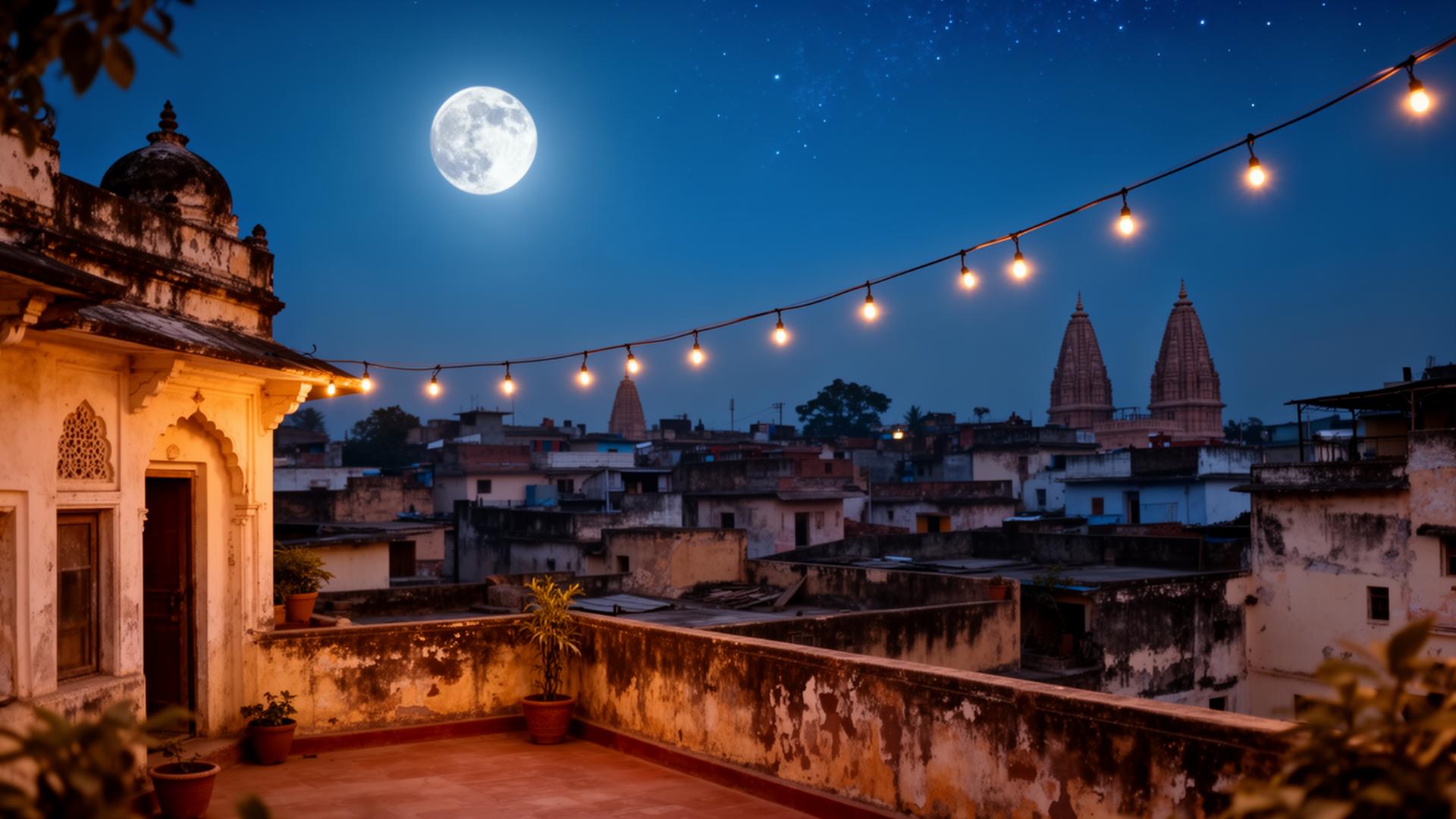
चांदनी टैरेस · Chandni Terrace
Private Experiences
Exclusive evening bookings
Every mahal kept one space for only its closest circle — the terrace under the moon.
Modern read
The most exclusive vantage point in the building, reserved on request.
“The Courtyard of Modern Jammu”
A 13,000 sq ft mahal, reborn chamber by chamber. Not a building full of shops, but a building full of life.
The soil it grows from
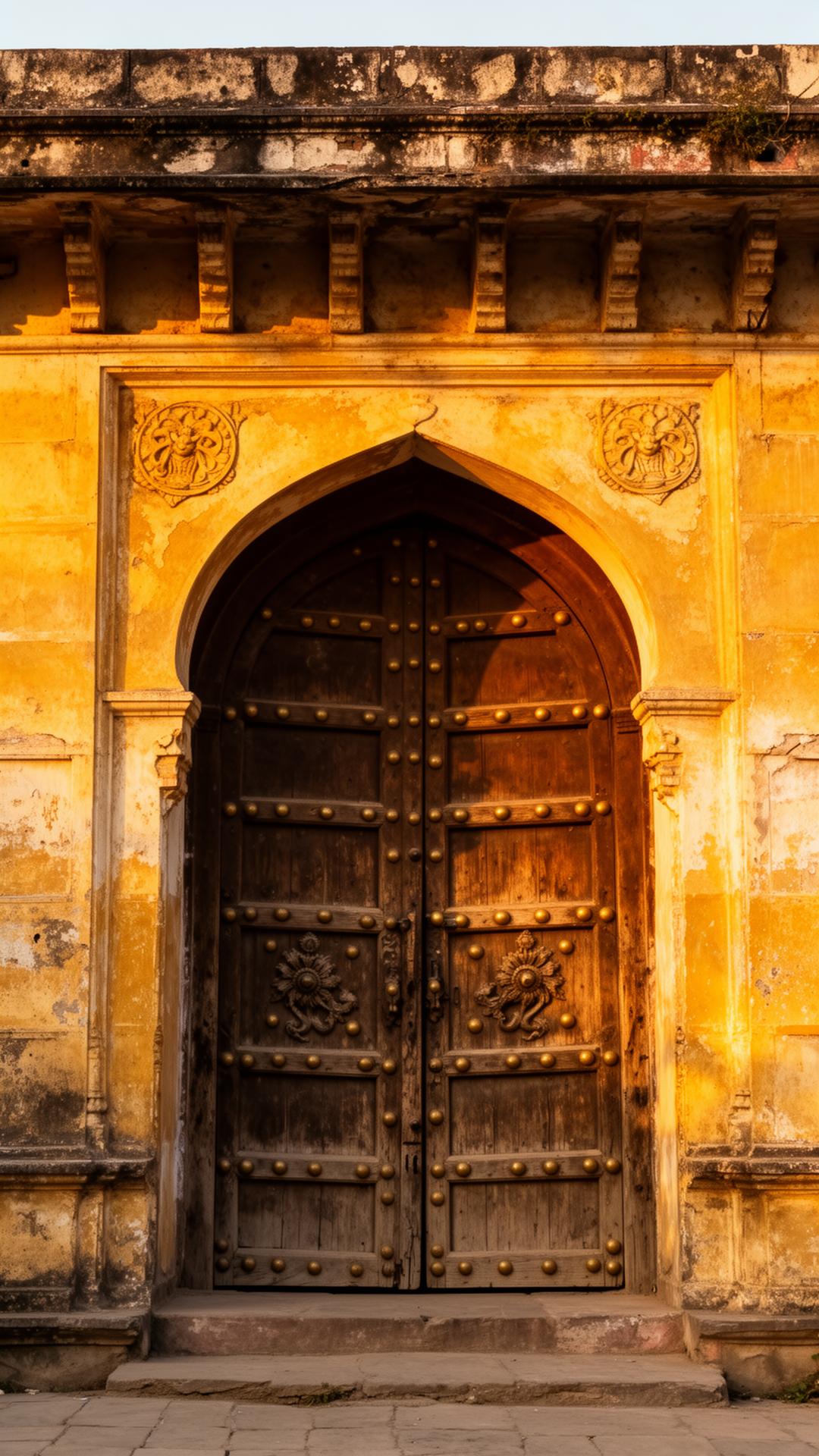
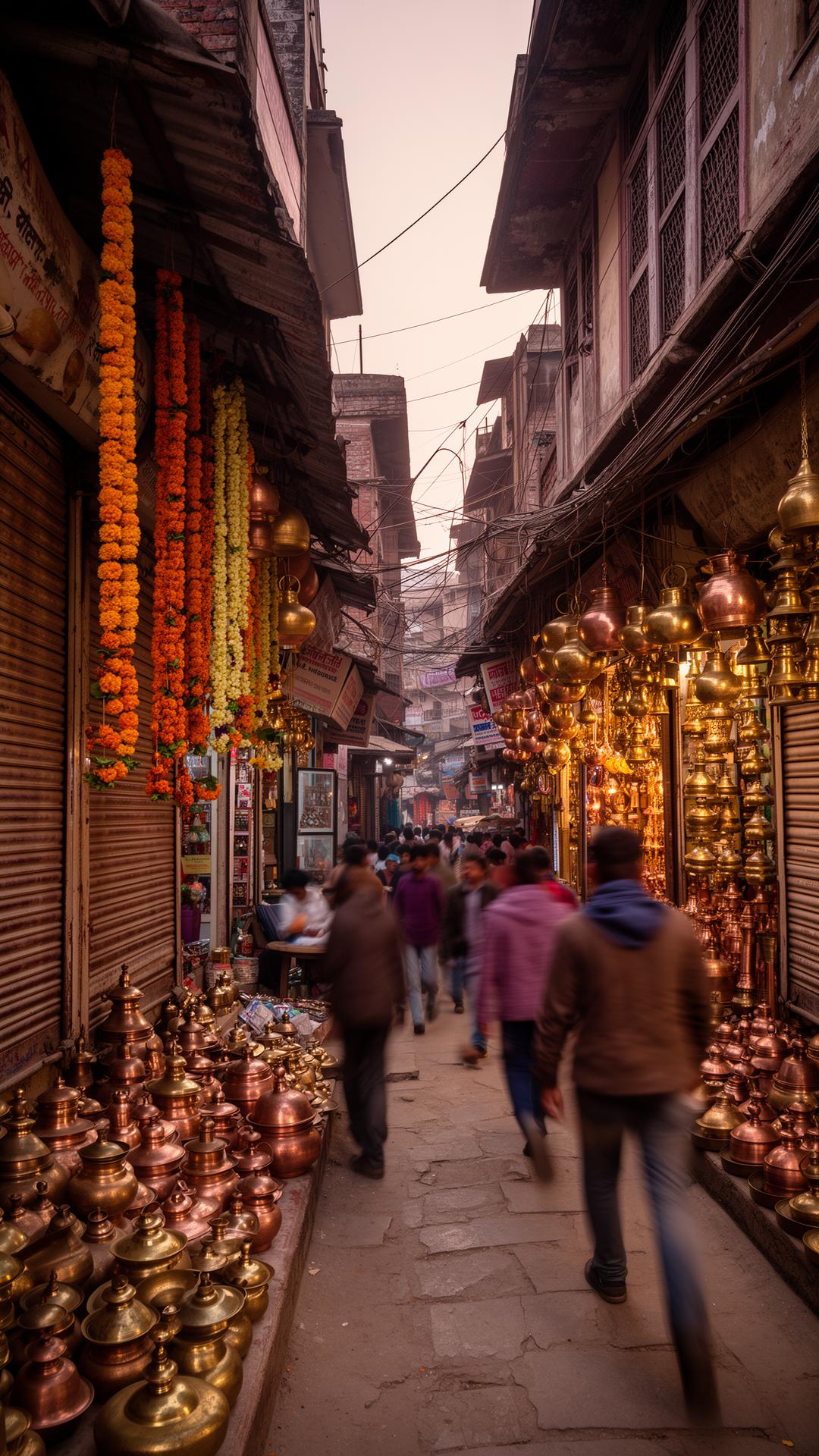
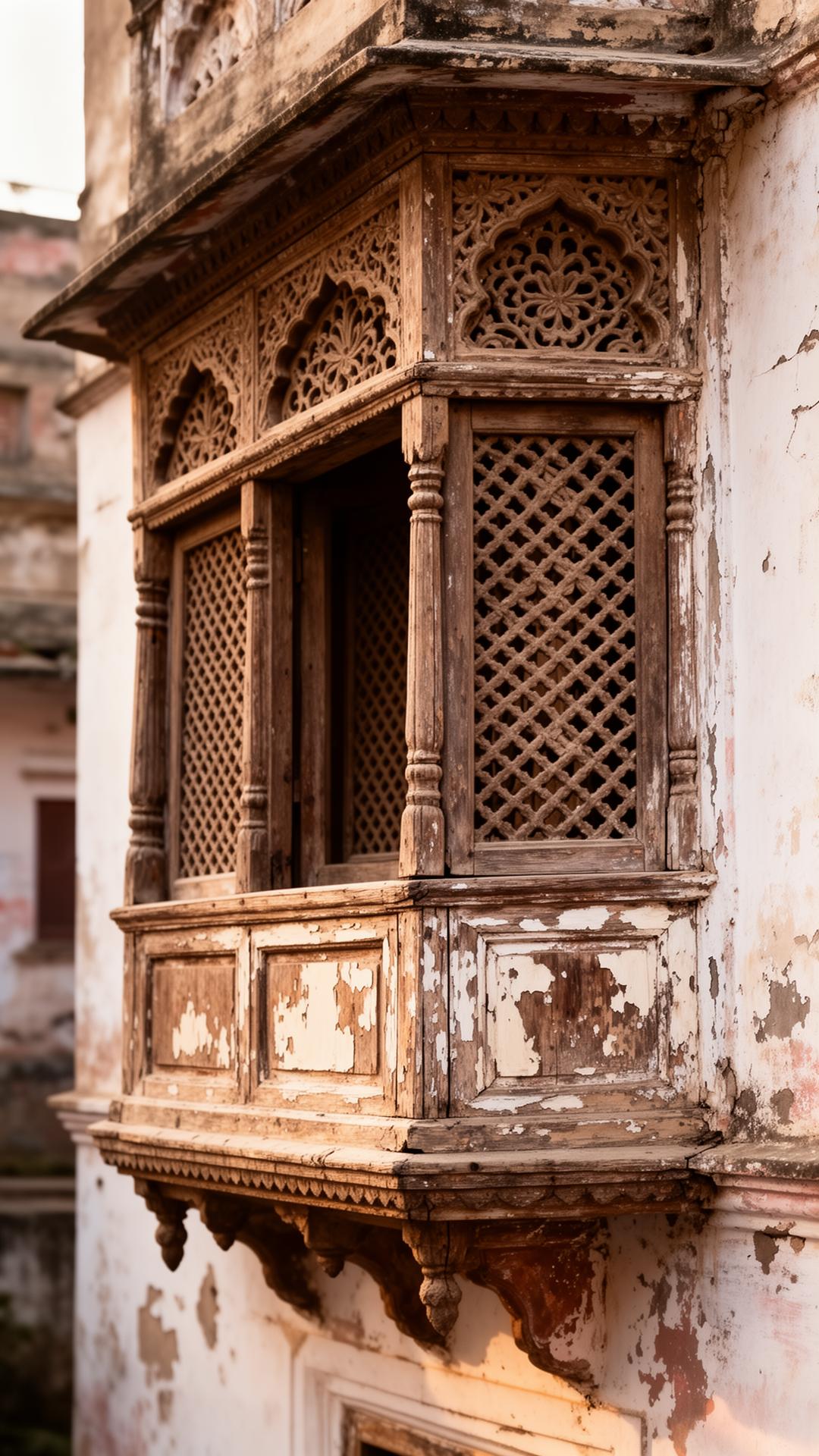
Kachi Chawni and Pacca Danga have always been Jammu's living rooms. Brass shops, jharokhas, evening walks, families spilling out of courtyards. The footfall is here. What this quarter has been missing is somewhere to stay.
From the wrong question to the right one
“What businesses can fill 13,000 square feet?”
“If this mahal came back to life in 2026, what would each of its chambers hold?”
That one small shift is the difference between a leasing spreadsheet and a living building. It's also the only kind of advantage a mall down the road can't copy.
Why this can't be copied
Anyone can sign the same brands. No one can fake a building that's actually lived in.
can copy tenants.
can copy a menu.
can't be copied at all.
The anatomy of the mahal
Every great mahal organised life by function, not by floor plan. Saanjh Mahal borrows that logic directly — each chamber carries forward something the building always held, dressed for how Jammu actually lives now. Read it the way the building stands: foundation at the bottom, terrace under the moon.
Chandni Terrace — the one chamber you have to earn.
Every mahal kept one space for only its closest circle — the terrace under the moon.
Where the mahal got loud, and got stronger.
Darbar, baithak — every mahal had a hall built for people to be seen together.
Dogra warrior culture ran on akhara tradition — strength as discipline, not vanity.
Royal courts didn't just tolerate music, painting, and poetry — they ran on it.
Connects with Pacca Danga's own old book and education identity.
Saanjh Chowk — the heart everything else orbits.
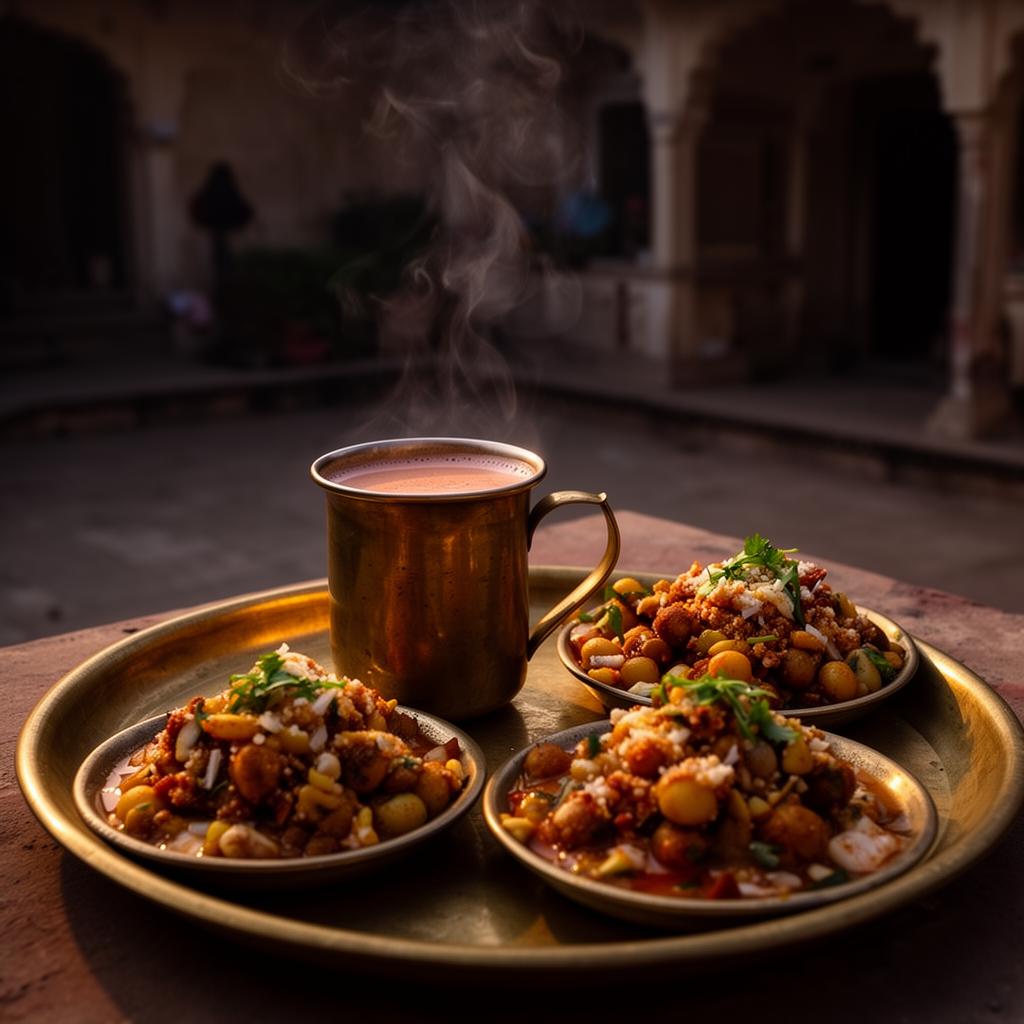
In a mahal, the kitchen was never just production — food was the foundation of mehmaan-nawazi, hospitality as identity.
Where the mahal meets the street.
Shringar was never vanity in a mahal — it was a defined part of royal and cultural life, ritual before any celebration began.
The building becomes its own theatre — a mahal always made its own backdrop.
Pacca Danga has always opened to the street through small shops — brass, cloth, sweets, books. The mahal kept its own bazaar at the threshold, where the building first touched the city.
The full plan, at a glance
“You are not renting a shop. You are becoming a chamber of Saanjh Mahal.”
That's the entire pitch to every tenant. A shop is square footage. A chamber is an identity, and identity is worth paying more for.
Why “Saanjh”
In our language, saanjh is the evening. The hour the day turns golden, work ends, lamps come on, and people drift back to each other. It isn't a meal, or a shop, or a service. It is a time and a feeling.
Evening — the hour the city slows and softens.
The pull that brings people back to one place.
Family, friends, strangers — under one roof.
Saanjh Mahal is the place Jammu comes to at the end of its day. To eat, to gather, to celebrate, to learn, to be seen. Every chamber, every floor, every evening.
That is the vision: not a restaurant with rooms around it, but a mahal that holds an entire evening of a city inside its walls.
“The Courtyard of Modern Jammu”
Built on a courtyard nobody else owns. Lived in, one chamber at a time.
Jammu · Old Heritage City